
CONTACT & INFOS
Do you have a project in mind or want to know more about our services?
We would be happy to answer any questions you may have. Simply send us an email with your full contact details to the following address, contact@joachimgarraud.com. We will get back to you as soon as possible.
Mastery of acoustics and lighting design for studios

Whether you own a recording studio, home studio, radio station or production office, acoustics and lighting play a key role in the quality of your productions.
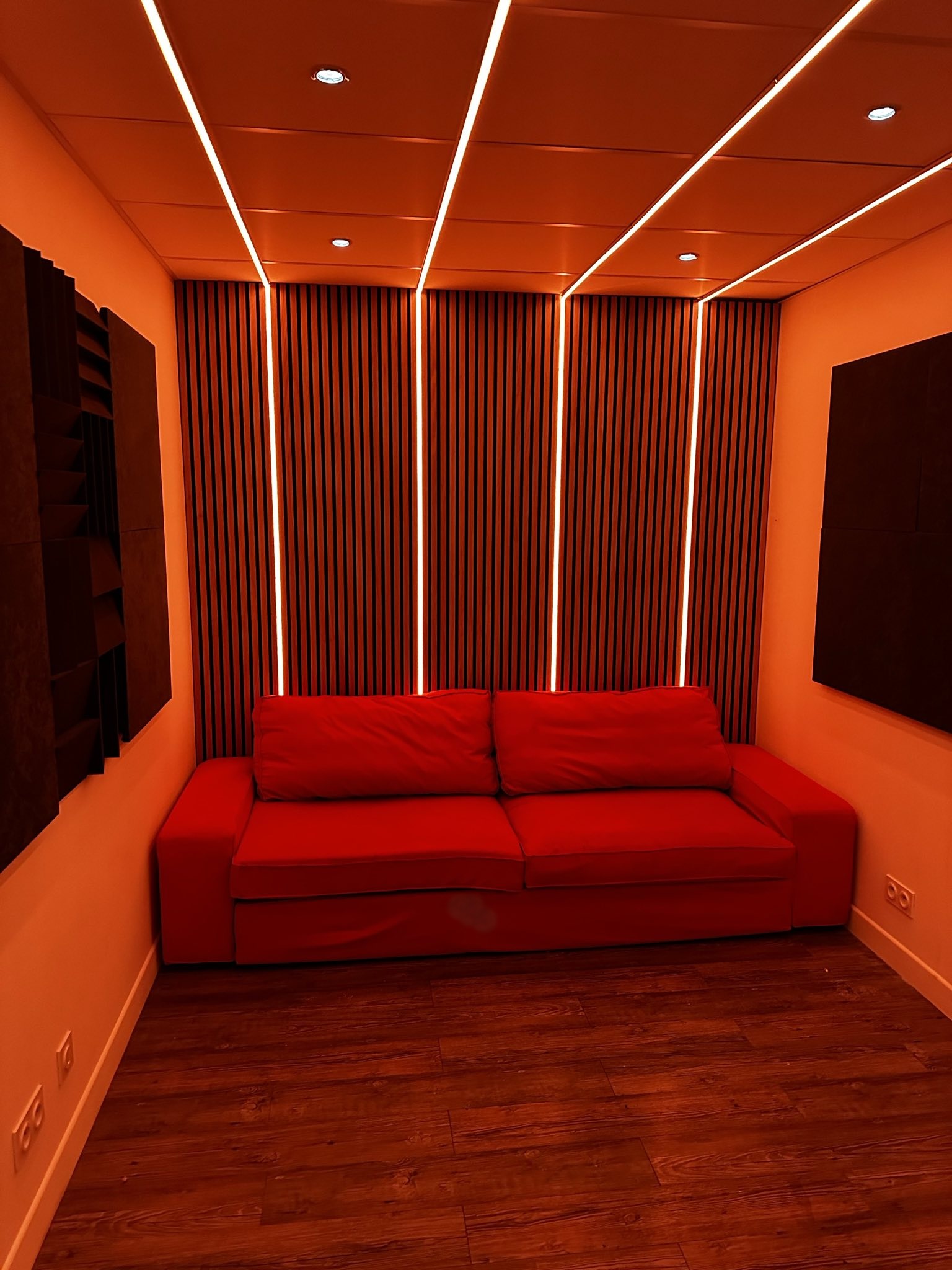
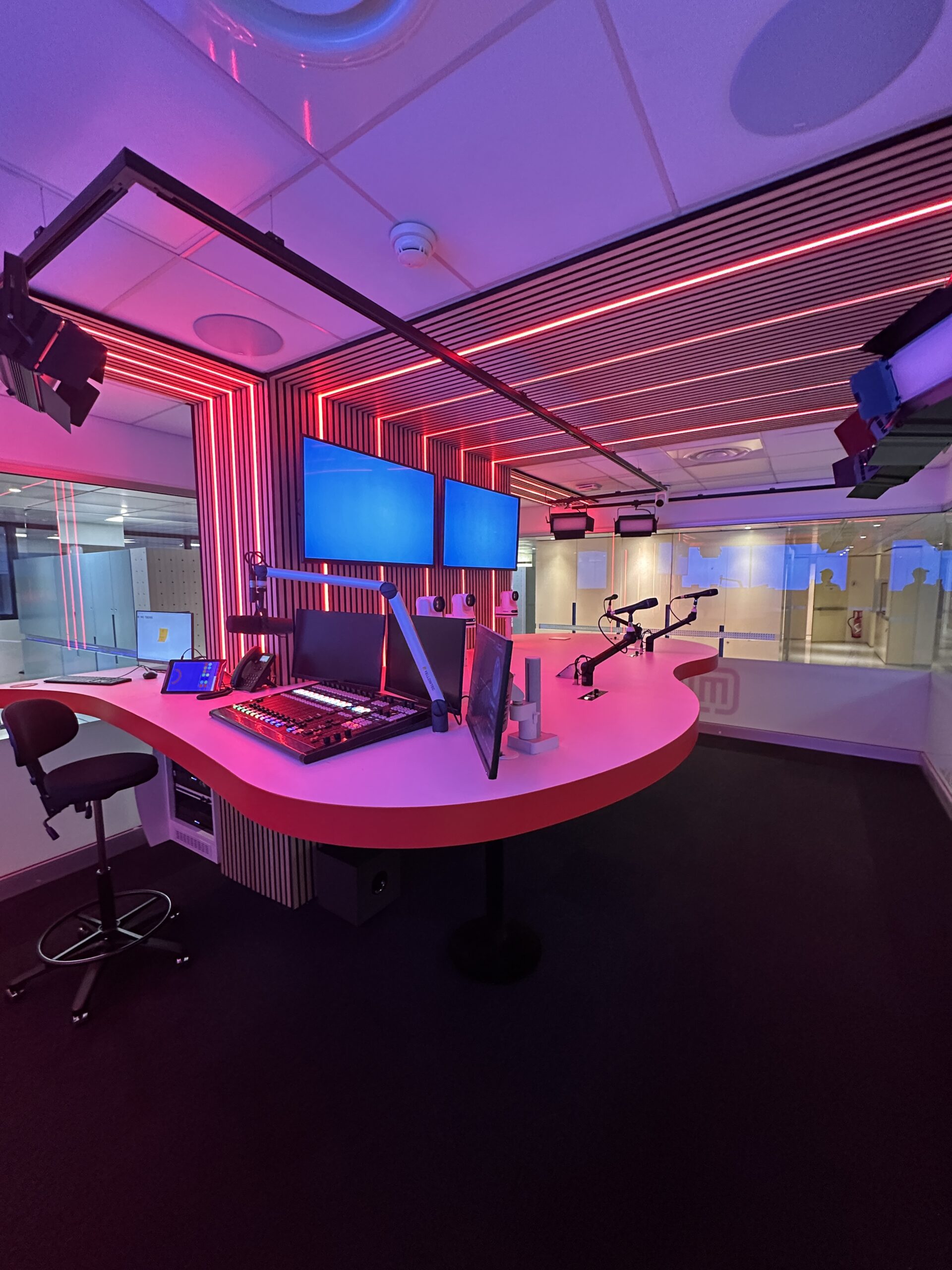
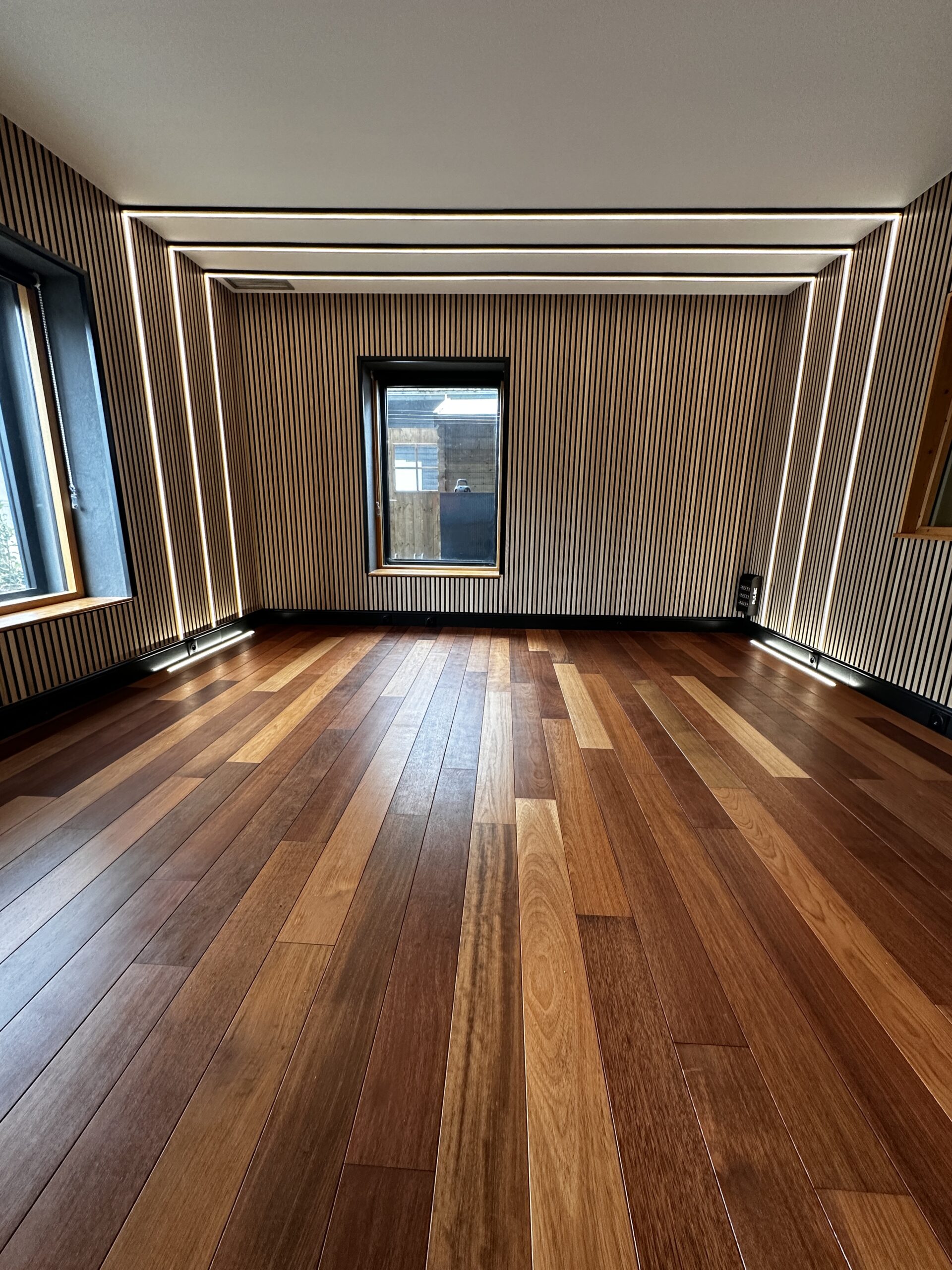
Discover our tailor-made solutions

We invite you to explore our personalized solutions, designed to provide an impeccable sound environment and a lighting ambiance adapted to your creative needs. Our installations guarantee optimal sound and visual comfort, transforming your space into a place conducive to inspiration.
Uncompromising acoustics

Whether you're a sound engineer, artist or radio host, quality acoustics are essential for professional results. We work with cutting-edge acoustic materials to create spaces with impeccable acoustics. Our achievements demonstrate our know-how: studios transformed into peaceful and efficient environments, meeting the requirements of the most rigorous clients. 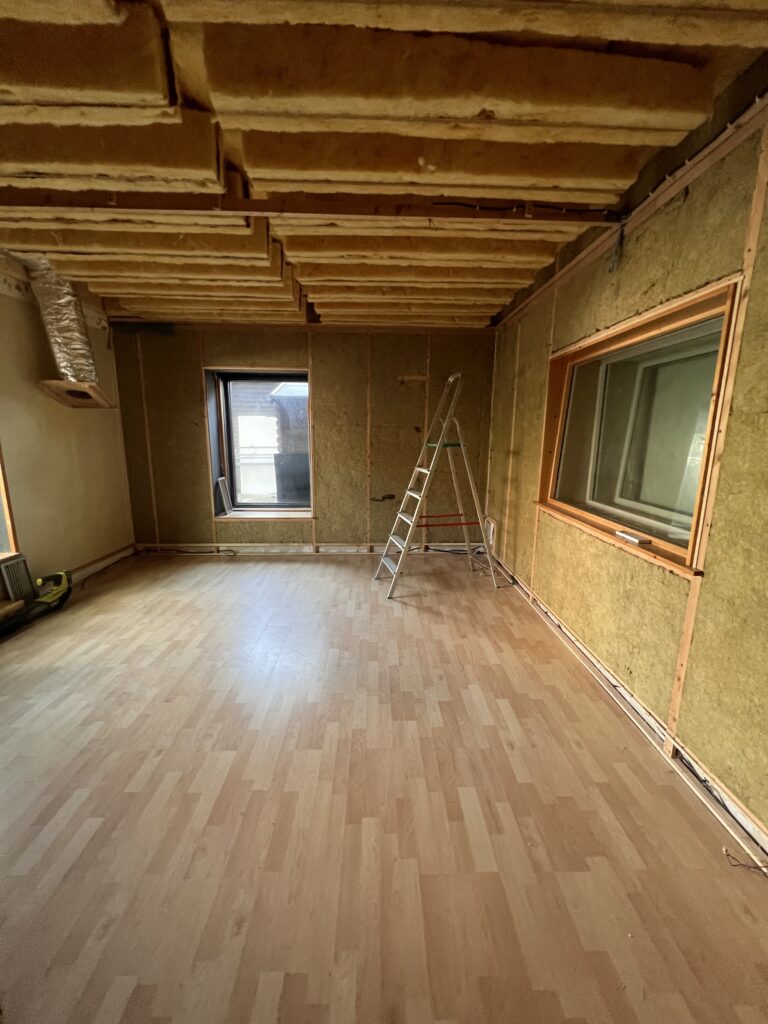
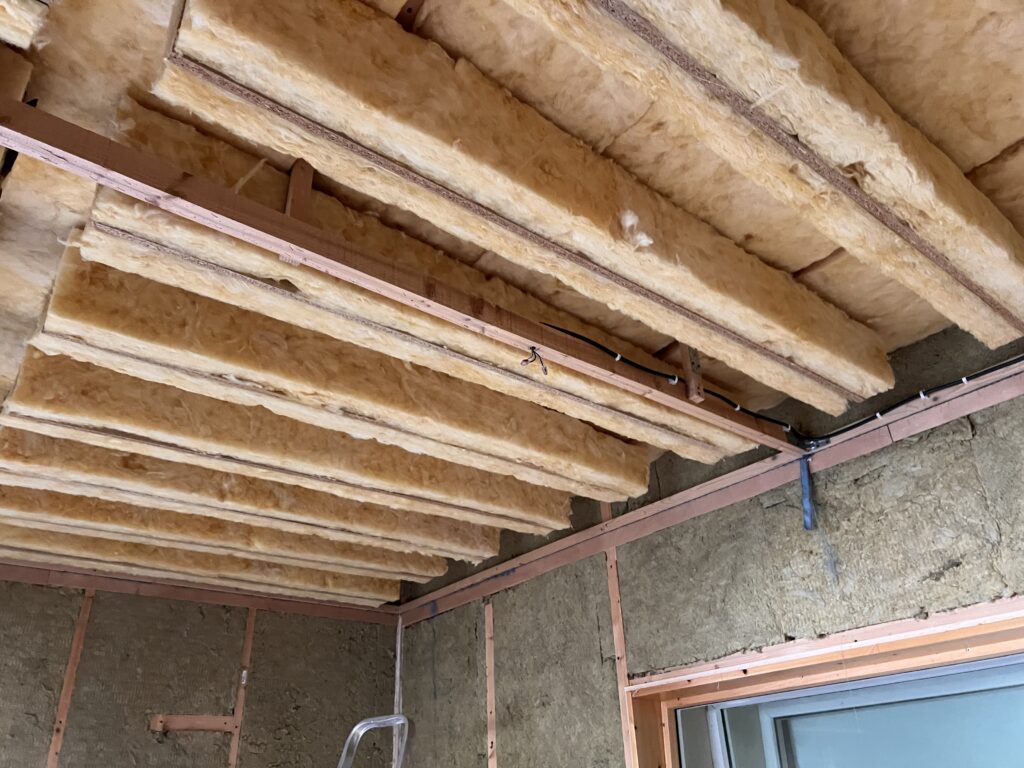
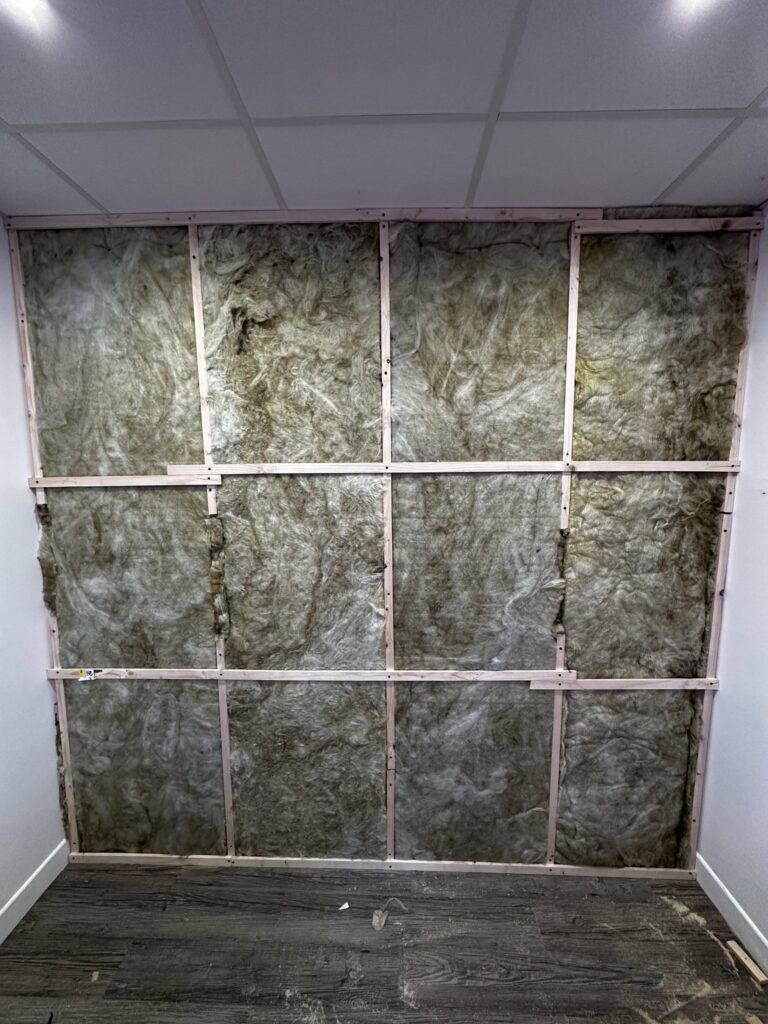
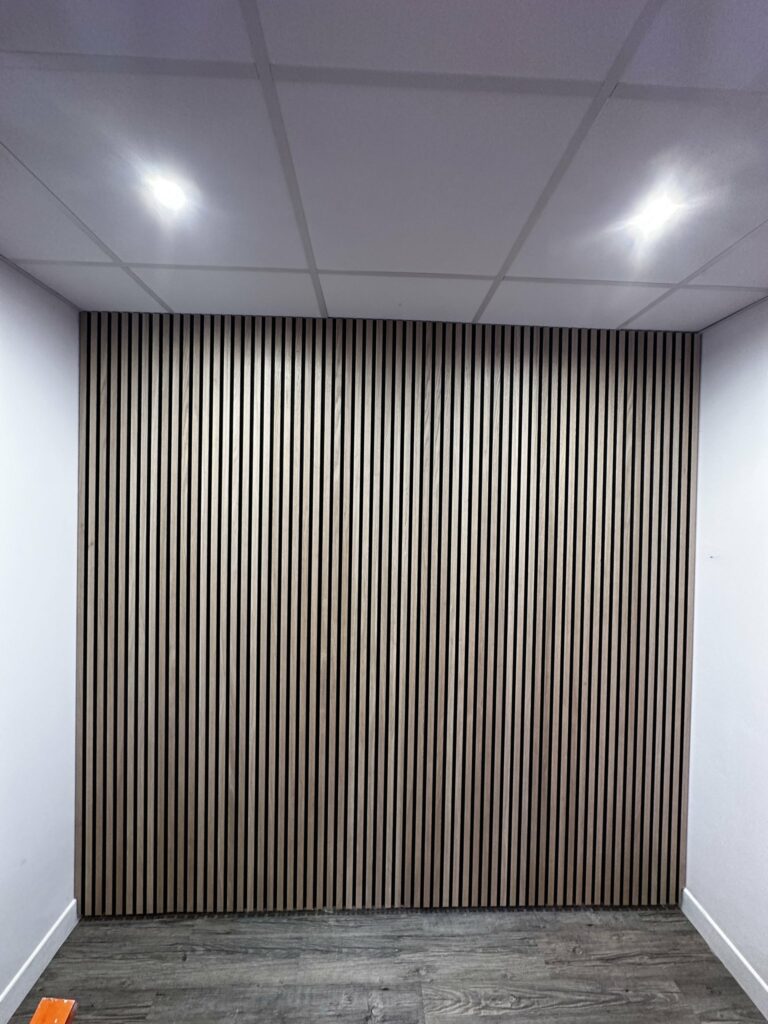
Light control at the cutting edge of innovation.
Thanks to our innovative LED solutions, you can control the lighting atmosphere in your studio according to your needs. Opt for dynamic or static, scalable lighting, and choose from a wide range of lighting ambiances that will stimulate your creativity.
FAQ
Questions & Answers about the Acoustics and Lighting Design of Recording Studios, Home Studios, and Radio Studios
Studio Acoustics
1. Why is acoustics important in a recording studio?
Acoustics influence sound quality by controlling reverberation and reducing unwanted interference. Good acoustics allow for clear and accurate recordings without unwanted noise.
2. What materials are most effective for soundproofing a studio?
Materials such as acoustic foam, rock wool, gypsum panels, and thick carpets are often used for soundproofing. Acoustic panels and bass traps are also essential for sound absorption.
3. What is a “bass trap,” and why is it important in a studio?
A bass trap is a device used to absorb low frequencies, reducing resonance in the corners of rooms. It is crucial to prevent muddy or overly bass-heavy sounds.
4. What is the difference between soundproofing and acoustic treatment?
Soundproofing prevents outside sounds from entering the studio and inside sounds from escaping. Acoustic treatment, on the other hand, improves internal sound quality by absorbing or diffusing sound.
5. How do room dimensions affect acoustics?
Room dimensions affect reverberation, resonance modes, and frequency distribution. Rooms that are too small or have equal proportions can create unwanted echoes.
6. How can sound reflections be controlled in a studio?
By using acoustic panels, diffusers, and non-parallel surfaces, sound reflections can be controlled to avoid echoes and excessive reverberation.
7. Why do studios use irregular shapes for walls and ceilings?
Irregular shapes and angled walls help diffuse sound, reducing direct reflections and flutter echoes.
8. What is the role of acoustic diffusers?
Diffusers evenly distribute sound waves throughout a room, creating a more natural sound environment by avoiding concentrated reflections.
9. How can vibrations be reduced in a studio?
Anti-vibration materials, such as rubber insulation under flooring and floating mounts for equipment, can be used to minimize the transmission of vibrations.
10. How can reverberation problems be addressed in a radio studio?
Acoustic panels, heavy curtains, and carpets can be used to absorb sound and reduce excessive reverberation in a radio studio.
Studio Lighting Design
11. Why is lighting design crucial in a recording studio?
Good lighting creates a comfortable atmosphere for artists and technicians, reducing fatigue and promoting creativity.
12. What types of lighting are recommended in a recording studio?
Adjustable LED lights are ideal as they produce little heat, consume less energy, and allow for color temperature adjustments.
13. How does the color temperature of lighting affect a studio?
A cooler color temperature (white light) is often used for technical tasks, while a warmer temperature (yellow light) creates a relaxed ambiance, ideal for creative sessions.
14. Why should fluorescent lights be avoided in a recording studio?
Fluorescent lights can produce an audible hum and interfere with sensitive recording equipment, in addition to creating eye strain.
15. What is the benefit of indirect lighting in a studio?
Indirect lighting reduces glare on reflective surfaces and creates a softer, more pleasant ambiance.
16. How can lighting be used to differentiate areas within a studio?
By using different color temperatures and intensities, technical areas (such as the mixing desk) can be visually separated from relaxation or creative spaces.
17. How can glare on screens and work surfaces be controlled in a studio?
Adjustable or indirect lights, as well as the use of blackout blinds, can help minimize glare on screens and other surfaces.
18. How can dynamic lighting be integrated into a studio to foster creativity?
Adding dynamic lighting systems, which change color and intensity based on the music, can create an immersive ambiance that enhances creativity.
19. What type of lighting is preferable for a radio studio?
Soft, non-glaring lights that can be adjusted to avoid eye fatigue are essential in radio studios, where hosts spend long hours.
20. How can lighting be integrated to avoid interference with video recordings in a radio studio?
It is important to use flicker-free LED lights to avoid interference with cameras used for recordings or live broadcasts.